Get Roof Damage Inspection
Roof damage inspection services identify issues like leaks, missing shingles, and structural problems, helping property owners assess repairs needed for roof repairs or replacements.
Property owners in the area who are planning roof repair or replacement projects understand the importance of identifying damage early. Roof damage inspection services help assess the condition of a roof, ensuring that issues such as leaks, missing shingles, or structural concerns are discovered before they develop into more costly problems. Exploring local contractors for this work provides a practical way to compare options and find experienced service providers who understand the specific needs of properties in the community.
By evaluating different local pros specializing in roof damage inspections, property owners can make informed decisions about their upcoming projects. Whether preparing for a renovation or seeking to maintain the integrity of a property, reviewing available service providers ensures that the inspection process aligns with individual property requirements. Continuing to explore local options helps identify trusted professionals capable of delivering thorough assessments to support property maintenance and improvement efforts.
- Roof Damage Inspection - needed after a storm or severe weather to assess potential damage.
- Roof Leak Detection - required when water stains or dampness appear inside the building.
- Hail Damage Assessment - necessary following hailstorms that may compromise roof integrity.
- Wind Damage Evaluation - appropriate after high winds cause shingles or roofing materials to loosen or dislodge.
- Post-Construction Roof Inspection - important to verify proper installation and identify any issues early.
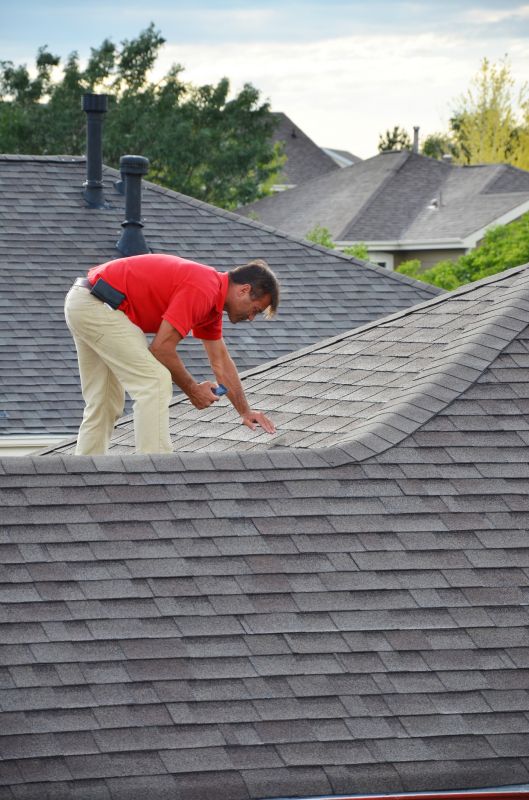

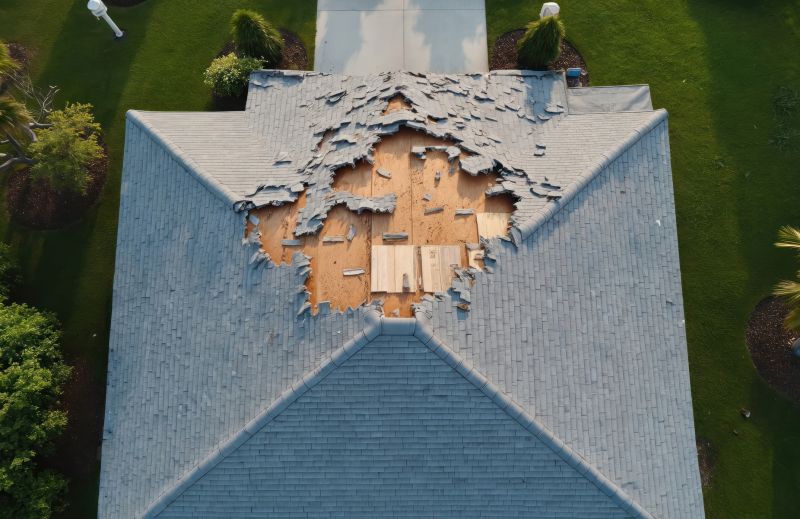
Roof damage inspection services involve a thorough evaluation of a property's roof to identify existing issues or potential problems. Skilled service providers use specialized tools and techniques to examine the roof’s surface, flashing, gutters, and other key components. This process helps uncover signs of wear, leaks, missing shingles, or structural concerns that might not be immediately visible from the ground. Regular inspections can prevent small issues from escalating into costly repairs by catching damage early and providing clear guidance on necessary repairs or maintenance.
These inspections are particularly valuable for addressing common problems such as leaks, storm damage, hail impact, or aging materials. Identifying leaks early can prevent water from seeping into the home, which might lead to mold, wood rot, or interior damage. Storm or hail damage can compromise the roof’s integrity, increasing the risk of future leaks or even roof failure if left unaddressed. Service providers can assess the extent of damage and recommend appropriate repairs, helping homeowners protect their property and avoid unexpected expenses.
Roof damage inspections are suited for a variety of properties, including single-family homes, multi-family residences, and commercial buildings. Homeowners often schedule inspections after severe weather events or as part of routine maintenance to ensure their roofs remain in good condition. Property owners in areas prone to storms or extreme weather may find regular inspections especially beneficial. Additionally, those preparing to sell or buy a property may use these services to verify the roof’s condition and ensure it meets safety standards.
Homeowners who notice signs of damage, such as missing shingles, water stains on ceilings, or increased energy bills, should consider scheduling a roof inspection. Even if no obvious issues are present, periodic evaluations can help catch hidden problems before they become major repairs. Local contractors offering roof damage inspection services are equipped to provide clear assessments and guidance, helping property owners make informed decisions about necessary repairs or maintenance to keep their roofs secure and functional.
The overview below groups typical Roof Damage Inspection projects into broad ranges so you can see how smaller, mid-sized, and larger jobs often compare in your area.
In many markets, a large share of routine jobs stays in the lower and middle ranges, while only a smaller percentage of projects moves into the highest bands when the work is more complex or site conditions are harder than average.
Smaller Repairs - typical costs range from $250-$600 for many routine roof damage inspections. Most minor issues fall within this range, making it a common price point for local contractors. Larger, more complex inspections can sometimes exceed this, but these are less frequent.
Moderate Repairs - inspecting moderate damage or multiple problem areas usually costs between $600-$1,200. Many projects land in this middle range, depending on the size and severity of the damage found during inspection.
Major Damage Assessment - when significant damage or extensive areas need evaluation, costs can range from $1,200-$3,000. These higher costs are typical for larger or more complicated inspections, though fewer projects reach the upper end of this spectrum.
Full Roof Replacement Inspection - comprehensive inspections for full roof replacements often start around $3,000 and can go beyond $5,000 for very large or complex roofs. Such projects are less common and usually involve detailed assessments to determine the scope of repairs or replacement needed.
Actual totals will depend on details like access to the work area, the scope of the project, and the materials selected, so use these as general starting points rather than exact figures.
Roof Leak Detection - professionals use specialized tools to identify leaks and water intrusion issues, similar to inspecting roof damage for hidden problems.
Gutter Inspection and Cleaning - involves assessing roof drainage systems, requiring skills in inspection and planning comparable to roof damage evaluations.
Attic and Insulation Inspection - assessing attic spaces for damage or moisture concerns parallels roof damage assessments by identifying underlying issues.
Storm Damage Assessment - evaluating structural impacts from storms involves similar planning and inspection skills as roof damage inspections.
Chimney and Flashing Inspection - inspecting roof penetrations for damage or leaks shares techniques used in roof damage evaluations.
Skylight and Vent Inspection - checking roof-mounted features for damage or leaks involves similar detailed inspection processes used in roof damage services.
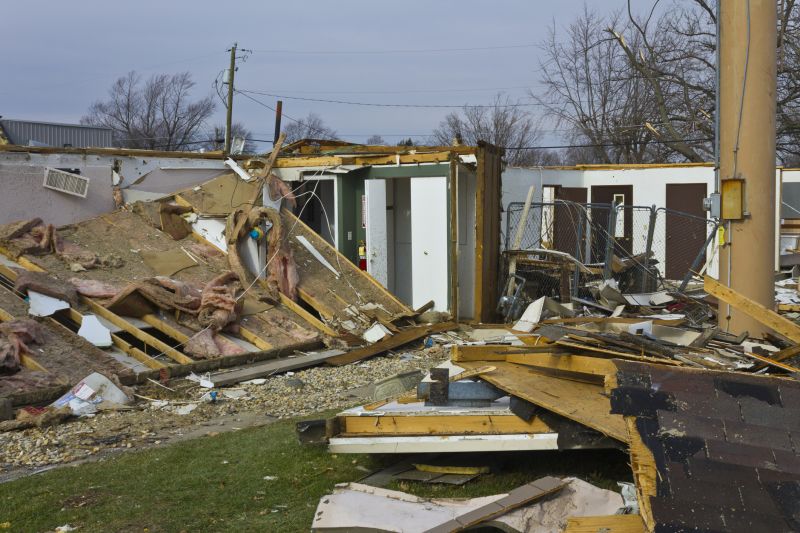
When comparing service providers for roof damage inspection, it’s important to consider their experience with similar projects. Homeowners should look for local contractors who have a proven track record of handling roof damage assessments in properties comparable to their own. An experienced professional will be familiar with common issues that arise in specific types of roofs or climates, which can lead to more accurate inspections and informed recommendations. Checking how long a contractor has been working in the area and their familiarity with local building conditions can help ensure that the inspection will be thorough and relevant to the specific needs of the home.
Clear written expectations are essential when evaluating potential service providers. Homeowners should seek out local pros who can provide detailed descriptions of what the inspection will entail, including the scope of the assessment and the types of issues they will look for. Having these expectations in writing helps prevent misunderstandings and ensures that both parties are aligned on what the inspection covers. It’s also beneficial to ask about the process for reporting findings and whether the contractor offers follow-up advice or recommendations, which can contribute to a smoother, more transparent experience.
Reputable references and good communication are key indicators of a reliable service provider. Homeowners should look for local contractors who can provide references from previous clients with similar projects, offering insight into their professionalism and quality of work. Additionally, clear and responsive communication throughout the inquiry process can reflect a contractor’s willingness to address questions and concerns, ultimately leading to a more confident decision. It’s important to remember that this site introduces homeowners to local options for roof damage inspection and does not perform the inspections itself; selecting a reputable, communicative, and experienced local contractor can help ensure the inspection process is handled effectively.
Property owners use Roof Damage Inspection services for practical projects around their homes and businesses. This guide focuses on everyday jobs and straightforward project options.
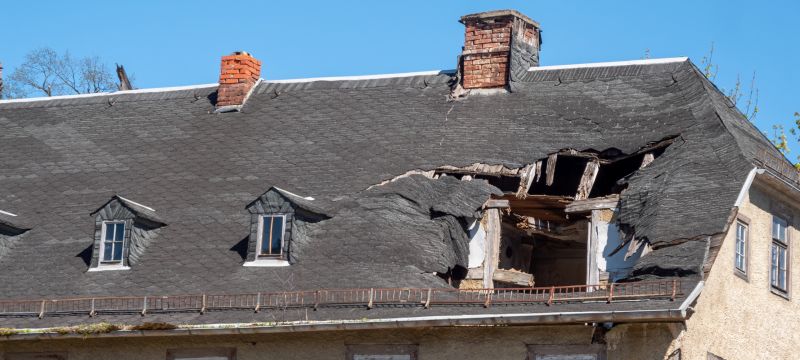
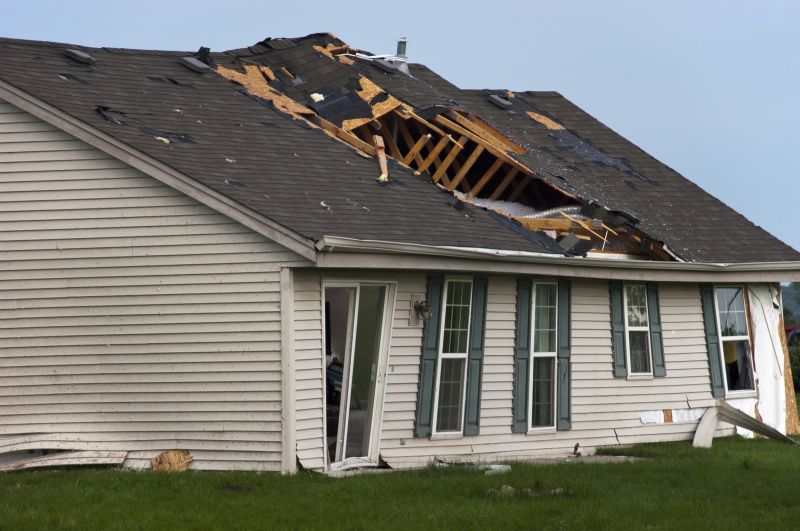
Property owners in the area often seek roof damage inspection services after severe weather events such as storms, hail, or heavy winds. These situations can cause visible or hidden damage that might compromise the roof’s integrity, leading to leaks or further deterioration if not addressed promptly. Additionally, some property owners may notice signs like missing shingles, water stains on ceilings, or increased energy bills, prompting them to look for local contractors who can assess the condition of their roofs accurately.
Other common reasons for scheduling a roof damage inspection include preparing for insurance claims or planning necessary repairs before issues worsen. Homeowners and business owners might also want to ensure their roofs are in good shape after experiencing minor incidents or aging over time. Local contractors specializing in roof inspections can provide the expertise needed to evaluate damage and recommend appropriate next steps for property protection.
What are common signs of roof damage? Signs include missing or curled shingles, water stains on ceilings, and visible cracks or holes in the roof structure.
How do professionals inspect for roof damage? Local contractors typically examine the roof surface, check for leaks, and assess structural components to identify damage.
Why is a roof damage inspection important? An inspection helps detect issues early, preventing further damage and potential costly repairs down the line.
Can roof damage be hidden from plain sight? Yes, some damage may be concealed under shingles or inside the attic, making professional inspection essential.
What should I do if I suspect roof damage? Contact local service providers to schedule a thorough roof inspection and assessment of the condition.
Assessing Post-Storm Roof Damage - property owners can utilize roof damage inspection services to identify issues after severe weather events and determine if repairs are needed.
Preventing Further Damage - inspections can help detect minor problems early, allowing for timely repairs that prevent more costly damage down the line.
Planning Roof Repairs or Replacements - homeowners can use inspection reports to make informed decisions about necessary repairs or upgrades to their roofing systems.
Verifying Roof Condition During Property Transactions - inspections provide valuable information for buyers and sellers to understand the current state of a roof during real estate transactions.
If you are thinking about Roof Damage Inspection for a property, this guide is meant to help you understand the work, the typical project types, and how different options might fit your plans.
When you are ready, you can use the quote form on this page to share a few details about your project. From there, local pros can review the basics and respond with options that match what you have in mind.