Get Roof Flashing Installation
Roof flashing installation services help property owners prevent leaks and water damage by sealing roof joints, chimneys, vents, and skylights with skilled local contractors.
Roof flashing installation is an essential component of maintaining a durable and weather-resistant property. Properly installed flashing helps prevent water intrusion around roof joints, chimneys, vents, and other vulnerable areas. Property owners in the area often explore this work to protect their investment from leaks and damage, especially in regions prone to heavy rain or seasonal weather changes. By considering local contractors experienced in roof flashing, property owners can find practical solutions tailored to their specific needs, ensuring their roofs remain secure and long-lasting.
Exploring options for roof flashing installation involves comparing local service providers who understand the unique demands of the area’s climate and building styles. Many property owners choose to review the credentials and reputations of nearby contractors to find reliable, skilled professionals capable of delivering quality results. Continuing to read can help identify the right local experts who can assist with planning and executing a project that enhances the integrity of a property’s roofing system.
- Residential Roofs - homeowners may need roof flashing installation when upgrading or repairing the flashing around chimneys, vents, or skylights.
- Commercial Buildings - business property owners require proper flashing to prevent leaks and water damage around roof penetrations.
- New Construction - builders and contractors need roof flashing installed during the initial roofing process to ensure long-term protection.
- Re-roofing Projects - property owners replacing an old roof might require new flashing to improve waterproofing and prevent future issues.
- Repair Services - when existing roof flashing becomes damaged or corroded, local contractors can replace or repair it to maintain roof integrity.

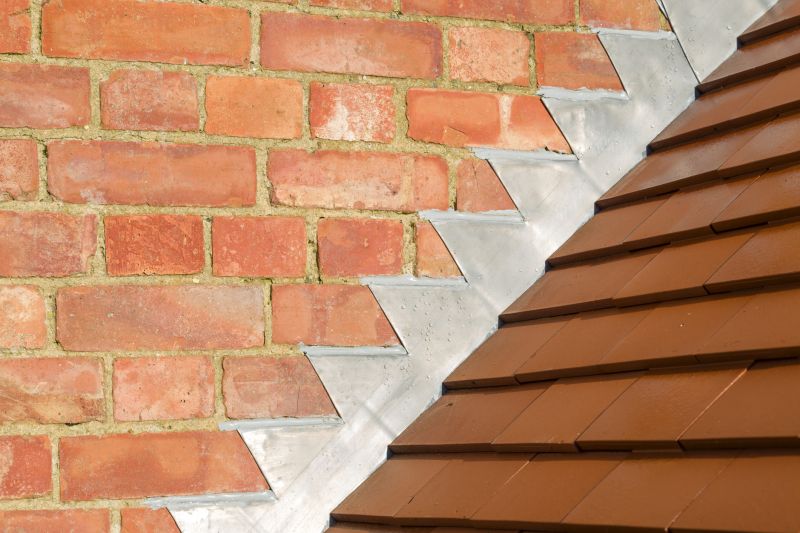
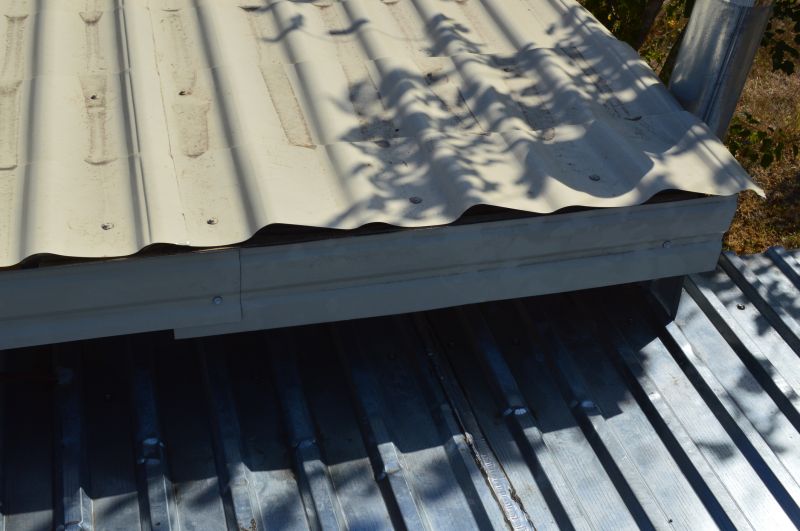
Roof flashing installation services involve placing specialized metal strips around areas where the roof intersects with other structures, such as chimneys, vents, skylights, and roof edges. These metal pieces serve as a barrier, directing water away from vulnerable spots and preventing leaks. Proper installation of roof flashing is essential to ensure that water does not seep into the roof structure, which can lead to costly damage over time. Skilled contractors focus on fitting and sealing flashing tightly to the roof surface, creating a weatherproof barrier that withstands the elements.
One of the primary problems roof flashing helps address is water infiltration. Without adequate flashing, rainwater can find its way into the roof and attic, causing water stains, mold growth, and structural deterioration. Additionally, flashing can help prevent issues caused by ice dams in colder climates, where melting snow refreezes at roof edges, forcing water under shingles. Properly installed flashing also protects areas around chimneys and vents, which are common points of vulnerability. Homeowners who notice signs of leaks, water stains, or damaged roofing materials may need to consider flashing repairs or new installations to maintain the integrity of their roof.
This service is commonly used on a variety of property types, including residential homes, multi-family buildings, and small commercial structures. Single-family houses often require flashing around chimneys, skylights, and roof valleys to prevent leaks. Larger apartment buildings or commercial properties may need more extensive flashing work around multiple roof penetrations, parapet walls, or flat roof edges. Regardless of the property size, proper flashing installation is vital for maintaining a watertight roof system. Homeowners with aging roofs or those undertaking renovation projects should consult local contractors to assess whether flashing upgrades are necessary.
Homeowners typically seek roof flashing installation services when they experience or want to prevent common roofing issues. Signs that flashing may need attention include recurring leaks, water stains on ceilings, or visible damage around roof penetrations. Additionally, preparing for severe weather seasons or completing a roof replacement often prompts the need for new flashing to ensure the roof remains protected. Local service providers can evaluate the existing flashing condition, recommend appropriate repairs or upgrades, and ensure the installation is done correctly. This work helps prolong the lifespan of the roof and protects the property from water-related damage.
The overview below groups typical Roof Flashing Installation projects into broad ranges so you can see how smaller, mid-sized, and larger jobs often compare in your area.
In many markets, a large share of routine jobs stays in the lower and middle ranges, while only a smaller percentage of projects moves into the highest bands when the work is more complex or site conditions are harder than average.
Smaller Repairs - Typical costs for minor roof flashing repairs generally range from $250 to $600. Many routine fixes fall within this middle range, depending on the extent of the damage and materials involved. Fewer projects tend to push into the higher end of this spectrum.
Standard Installation - Installing new roof flashing on a standard-sized roof usually costs between $1,000 and $2,500. Most local contractors handle these projects within this range, with larger or more complex jobs potentially reaching $3,500 or more.
Full Roof Flashing Replacement - Full replacement of roof flashing for an average home can typically cost from $3,000 to $7,000. Larger, more intricate roofs or high-end materials can increase costs beyond this range, though such projects are less common.
Complex or Custom Projects - Custom or highly detailed flashing work, such as on complex rooflines or historic properties, can range from $5,000 to $15,000 or more. These projects are less frequent but may be necessary for specialized or large-scale installations.
Actual totals will depend on details like access to the work area, the scope of the project, and the materials selected, so use these as general starting points rather than exact figures.
Chimney Flashing Replacement - this project involves installing or repairing flashing around chimneys to prevent leaks, requiring similar skills in flashing installation and waterproofing techniques.
Gutter and Roof Drainage Systems - installing and maintaining gutters and downspouts involves planning and precise work to ensure proper water runoff, aligning with skills used in roof flashing installation.
Skylight Installation - fitting skylights requires careful flashing and sealing to prevent leaks, making it a related project that demands similar planning and waterproofing expertise.
Roof Vent and Exhaust Fan Installation - installing roof vents involves sealing penetrations in the roof, which shares skills with flashing installation to ensure weatherproofing and durability.
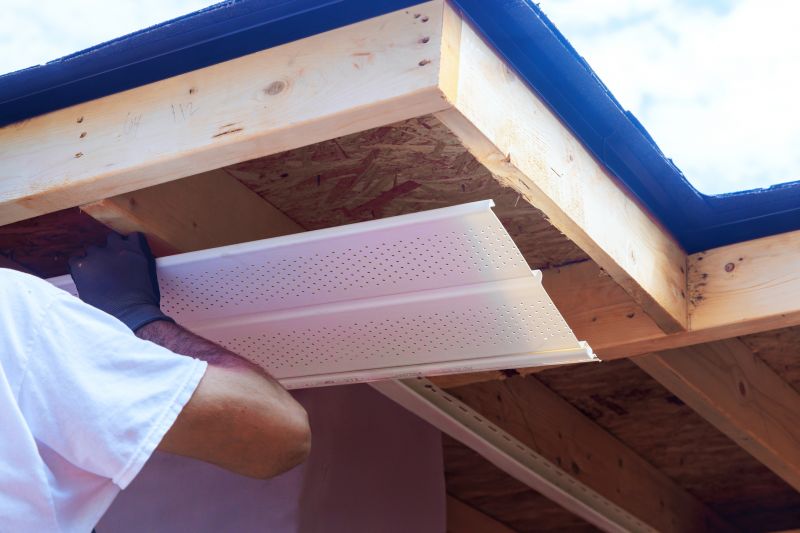
Soffit and Fascia Repair - repairing or replacing soffits and fascias involves working with roofing materials and ensuring proper water barriers, akin to roof flashing work.
Flat Roof Coating and Waterproofing - applying coatings to flat roofs to prevent water infiltration requires detailed planning and sealing techniques similar to roof flashing installation.
When comparing service providers for roof flashing installation, it's important to consider their experience with similar projects. Homeowners should look for local contractors who have a proven track record of handling roof flashing work comparable to their specific needs. An experienced professional will understand the nuances of different roofing systems and be familiar with common challenges, which can contribute to a more effective and durable installation. Checking for references or examples of past projects can provide insight into their expertise and the quality of their work, helping to ensure that the chosen contractor has a history of satisfied clients and successful outcomes.
Clear written expectations are a vital part of choosing the right service provider. Homeowners should seek out local contractors who can provide detailed information about the scope of work, materials to be used, and the process involved in the installation. Having a transparent understanding of what to expect helps prevent misunderstandings and ensures that both parties are aligned on project goals. It’s beneficial to ask for a written outline or proposal that clearly states what services will be provided, which can serve as a reference throughout the project and facilitate smooth communication.
Good communication and reputable references are key indicators of a reliable contractor. When evaluating local service providers, homeowners should prioritize those who are responsive and willing to answer questions thoroughly. Reaching out to previous clients or reading reviews can offer valuable perspectives on the contractor’s professionalism, reliability, and quality of work. Effective communication ensures that any concerns or changes can be addressed promptly, reducing the likelihood of issues during the project. Remember, this site introduces homeowners to local options and does not perform the work itself, so it’s essential to select a contractor who demonstrates these qualities firsthand.
Property owners use Roof Flashing Installation services for practical projects around their homes and businesses. This guide focuses on everyday jobs and straightforward project options.
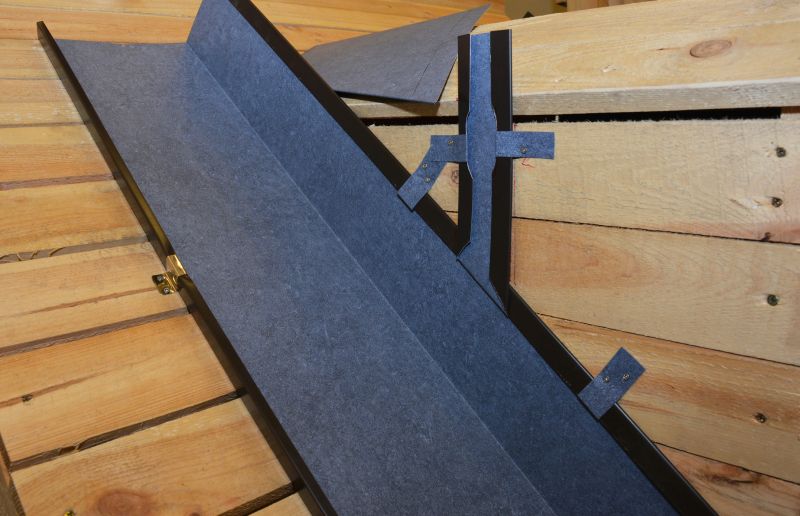
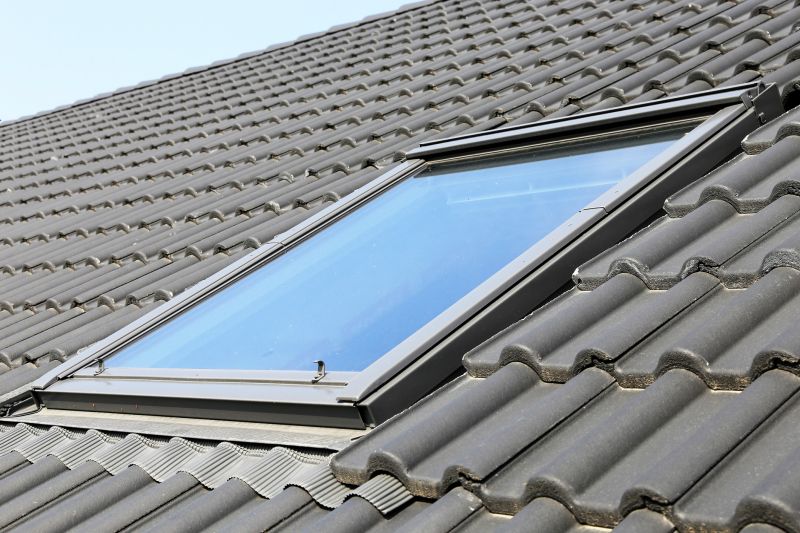
Roof flashing installation is a common project for property owners dealing with leaks, drafts, or signs of water infiltration around chimneys, vents, skylights, or roof joints. Over time, weather exposure or aging materials can cause flashing to deteriorate or become loose, leading to potential water damage inside the building. Local contractors experienced in roofing repairs and installations can assess these issues and provide the necessary flashing upgrades or replacements to help protect the property.
Homeowners and property managers may seek roof flashing services when planning roof replacements or renovations, or if they notice visible damage or corrosion on existing flashing. Properly installed flashing is essential for directing water away from vulnerable areas and preventing costly repairs down the line. Connecting with local service providers can ensure the work is handled efficiently and to standard, helping to maintain the integrity of the roof and the safety of the building.
What is roof flashing installation? Roof flashing installation involves placing metal or other waterproof materials around roof joints, chimneys, vents, and skylights to prevent water infiltration and protect the roof structure.
Why is proper roof flashing important? Proper roof flashing helps direct water away from vulnerable areas, reducing the risk of leaks, water damage, and structural issues over time.
How do local contractors handle roof flashing installation? Local contractors typically assess the roof, select appropriate flashing materials, and professionally install them to ensure a secure, weather-resistant seal.
What types of flashing are commonly used in roof installations? Common types include step flashing, continuous (apron) flashing, and chimney flashing, each suited for specific roof features and angles.
Can roof flashing be repaired or replaced separately? Yes, roof flashing can be repaired or replaced independently to address leaks or damage without replacing the entire roofing system.
Roof Flashing Installation - Protect vulnerable roof joints and edges from water intrusion by having local contractors install durable flashing during home upgrades or repairs.
Prevent Water Damage - Use professional flashing services to seal areas around chimneys, vents, and skylights, reducing the risk of leaks in everyday weather conditions.
Enhance Roof Durability - Improve the longevity of roofing systems by ensuring proper flashing installation when replacing or maintaining roofing materials.
Home Improvement Projects - Incorporate flashing installation into remodeling plans to ensure a weather-tight seal around new roof features or extensions.
If you are thinking about Roof Flashing Installation for a property, this guide is meant to help you understand the work, the typical project types, and how different options might fit your plans.
When you are ready, you can use the quote form on this page to share a few details about your project. From there, local pros can review the basics and respond with options that match what you have in mind.